
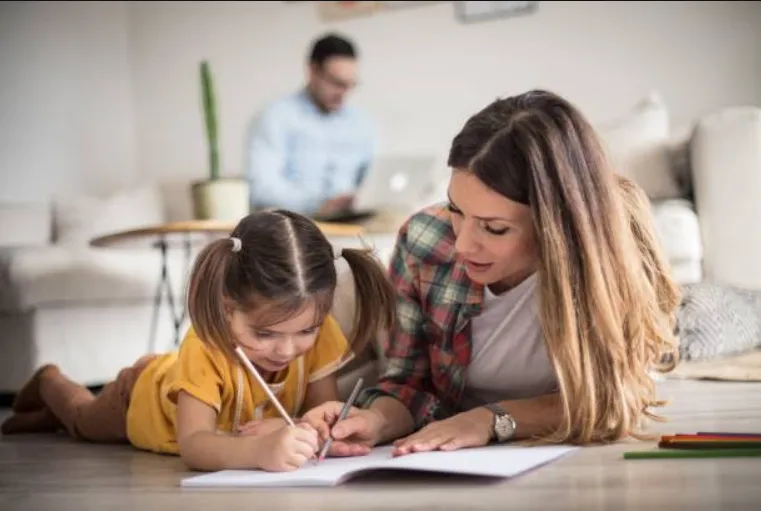
Parenting is a lifelong learning experience that requires patience, understanding, communication, and adaptability. As children grow, their needs, emotions, behavior, and interests change, creating new challenges for parents. Learning how to respond effectively to these changes can help families develop stronger relationships and create a supportive home environment. Virtual parenting classes offer a convenient way for parents to gain practical knowledge, develop essential skills, and learn effective strategies for raising children.
With flexible online learning opportunities, parents can explore child development, positive discipline, communication, emotional support, and family routines from the comfort of their homes.
Understanding the Importance of Parenting Education
Parenting education helps adults better understand their responsibilities and develop practical approaches to everyday family situations. Many parents experience challenges when communicating with children, establishing boundaries, managing routines, or responding to difficult behavior.
Virtual classes provide structured learning opportunities that help parents explore these situations and understand different ways to handle them. Lessons may include professional guidance, real-life examples, educational videos, and activities designed to encourage reflection and practice.
Parenting education is not about finding a perfect solution for every situation. It is about developing the knowledge, confidence, and flexibility to make thoughtful decisions while supporting children’s growth.
What Are Virtual Parenting Classes?
Virtual parenting classes are educational programs delivered through online platforms. Parents can participate using computers, tablets, or smartphones, depending on the course format and provider.
These classes may include recorded video lessons, live online workshops, interactive discussions, downloadable materials, practical exercises, and question-and-answer sessions. Some programs follow a structured schedule, while others allow parents to study at their own pace.
Virtual learning makes parenting education more accessible to families who have limited time, busy schedules, transportation challenges, or few local educational opportunities.
Parents can choose courses that focus on specific age groups or topics, making it easier to find lessons relevant to their current family needs.
Developing Better Communication Skills
Effective communication is one of the most important skills parents can develop. Children need to feel comfortable expressing their thoughts, asking questions, and sharing their concerns with adults they trust.
Virtual parenting classes can help parents practice active listening, use clear language, ask open-ended questions, and respond thoughtfully. These skills can improve everyday conversations and help prevent misunderstandings.
Parents can learn to listen without immediately interrupting, criticizing, or offering solutions. Sometimes children need time to explain their experiences before they are ready to receive advice.
Respectful communication also involves explaining expectations clearly. When children understand what is expected of them and why certain rules exist, they can become more involved in family responsibilities and decision-making.
Learning Positive Parenting Techniques
Positive parenting focuses on building strong relationships through respect, encouragement, consistency, and guidance. It helps parents understand how their responses can influence children’s behavior and confidence.
Virtual classes may introduce techniques such as recognizing positive behavior, encouraging cooperation, offering appropriate choices, and using constructive feedback.
Parents can learn to acknowledge effort and progress instead of focusing only on mistakes. Encouragement helps children recognize their abilities and motivates them to keep learning.
Positive parenting does not mean avoiding discipline or allowing children to ignore boundaries. It combines emotional support with clear expectations, helping children understand responsibility while maintaining a healthy relationship with their parents.
Understanding Child Development
Children develop at different rates, and their abilities change as they grow. Understanding developmental stages can help parents recognize age-appropriate expectations and respond more effectively to their children’s needs.
Virtual parenting programs may explore physical, cognitive, emotional, and social development. Parents can learn how children develop communication skills, build friendships, express emotions, become more independent, and approach new experiences.
This knowledge can help parents understand why some tasks are difficult for children and why certain behaviors may occur during different stages of development.
Recognizing individual differences is equally important. Every child has unique strengths, interests, and learning preferences. Parents can use developmental knowledge to provide encouragement without unnecessary comparisons or pressure.
Managing Challenging Behaviors
Children may struggle with following instructions, adapting to routines, handling disappointment, or communicating their needs. These situations can become stressful when parents are unsure how to respond.
Virtual parenting classes can provide strategies for understanding behavior, identifying common triggers, establishing consistent rules, and teaching appropriate responses.
Parents may learn to use clear instructions, predictable routines, reasonable consequences, and positive reinforcement. They can also explore ways to address behavior calmly and avoid escalating disagreements.
The goal is to help children understand expectations and develop skills that support better decisions. Rather than focusing only on correcting mistakes, parents can encourage children to reflect, learn, and take responsibility for their actions.
Supporting Children’s Emotional Well-Being
Emotional development is an essential part of childhood. Children experience many feelings but may not always know how to express them or manage difficult situations.
Parenting classes can help adults understand emotional needs and teach children how to identify feelings, communicate concerns, and respond constructively.
Parents can practice acknowledging emotions without dismissing them. For example, when a child feels disappointed, listening and recognizing the feeling can help the child feel understood. Parents can then guide the child toward appropriate ways to manage the situation.
Learning these techniques can also help parents recognize their own emotional triggers and respond more calmly during stressful moments.
Encouraging Independence and Responsibility
Helping children develop independence is an important parenting goal. Children benefit from opportunities to make age-appropriate decisions, complete tasks, solve problems, and learn from everyday experiences.
Virtual classes may provide ideas for encouraging independence through household responsibilities, organizing school materials, managing routines, and making suitable choices.
Parents can learn how to offer guidance without doing everything for their children. Giving children time to try, make mistakes, and improve helps them develop confidence and practical skills.
Gradually increasing responsibilities can also teach children the importance of contributing to family life and understanding the consequences of their decisions.
Creating Healthy Family Routines
Consistent routines can help children feel secure and make daily activities easier to manage. Regular schedules for meals, homework, recreation, bedtime, and family responsibilities can provide structure.
Virtual parenting education may help parents create routines that suit their household and children’s developmental needs. It can also explain how to introduce new habits gradually and adjust schedules when circumstances change.
Parents can involve children in planning routines, making them more likely to understand expectations and participate willingly.
Balanced routines should include time for learning, rest, play, family interaction, and individual interests.
Benefits of Learning From Home
Virtual parenting classes offer flexibility and convenience for busy families. Parents can study from home, participate in scheduled sessions, or revisit recorded lessons when they need additional guidance.
Online programs may also provide access to qualified educators, parenting specialists, and resources that are not readily available in a parent’s local area.
Learning from home can make it easier to fit parenting education into daily life. Parents can explore lessons at a comfortable pace and practice new techniques within their own family environment.
Choosing a program with relevant topics, qualified instructors, practical examples, and a suitable learning format can make the experience more valuable.
Applying Parenting Skills in Everyday Life
The effectiveness of parenting education depends on how consistently parents apply what they learn. Small changes can make a meaningful difference over time.
Parents can begin by improving one area, such as listening more carefully, establishing clearer rules, encouraging independence, or creating predictable routines. They can observe how children respond and adjust their approach when necessary.
Parenting requires flexibility because every family situation is different. New skills may take time to develop, and progress may not always be immediate. Being patient with children and with oneself is an important part of the learning process.
Conclusion
Virtual parenting classes provide a flexible way to learn effective parenting skills and strengthen family relationships. Through lessons on communication, child development, positive discipline, emotional support, independence, and routines, parents can develop practical knowledge for everyday challenges.
By choosing relevant online programs and applying their lessons consistently, parents can become more confident in their approach, better understand their children, and create a supportive environment for healthy development. Parenting is an ongoing journey, and virtual learning can be a valuable resource for growing, adapting, and building stronger families.
